DevOps Introduction
Day1/90
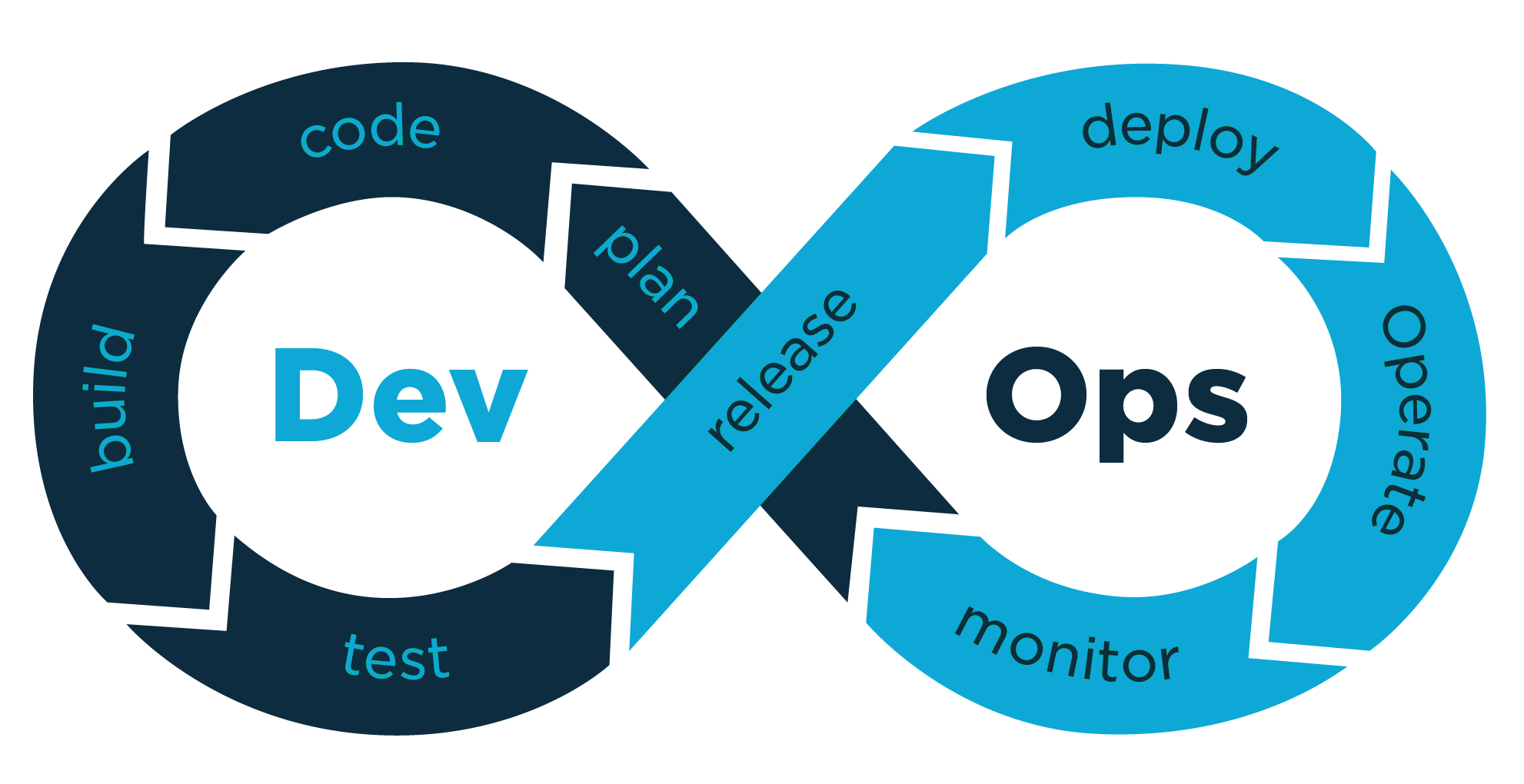
What is DevOps?
DevOps is a set of practices that emphasizes the collaboration and communication between software development teams and IT operations teams while using automation and monitoring to improve the software delivery process.
Some common tools used in DevOps include:
Version control systems like Git, that allow teams to track changes to source code over time and collaborate more effectively.
Continuous integration and continuous delivery (CI/CD) tools like Jenkins, that automate the building, testing, and deployment of software in a consistent and repeatable way.
Containerization platforms like Docker, allow applications to be packaged and run in isolated environments, making them more portable and easier to manage.
Orchestration tools like Kubernetes, which automate the deployment, scaling, and management of containerized applications.
Configuration management tools like Ansible, automate the configuration and management of IT infrastructure.
Monitoring tools like Nagios, provide real-time insights into the health and performance of IT systems and applications.
What is Automation?
In DevOps, automation is a critical component for streamlining software development and deployment processes. Here are some common DevOps tools used for automation:
Continuous Integration/Continuous Deployment (CI/CD) Tools - Jenkins, Travis CI, CircleCI, GitLab CI, Bamboo, and more. These tools automate the process of building, testing, and deploying software, and can also integrate with version control systems like Git.
Configuration Management Tools - Ansible, Chef, Puppet, and SaltStack. These tools automate the configuration and management of servers and IT infrastructure, allowing teams to easily manage large-scale deployments and maintain consistency across environments.
Containerization Tools - Docker, Kubernetes, and Amazon ECS. These tools allow developers to create, package, and deploy applications as containers, which can run consistently across different environments and simplify the deployment process.
Infrastructure as Code (IaC) Tools - Terraform, CloudFormation, and Ansible. These tools allow teams to automate the creation and management of cloud infrastructure, including servers, storage, and networking, using code.
Monitoring and Alerting Tools - Nagios, Zabbix, Prometheus, and Datadog. These tools provide real-time insights into the performance and health of applications and infrastructure, allowing teams to quickly detect and resolve issues before they affect end-users.
What is Infrastructure as Code (IaC)
Infrastructure as code (IaC) is a DevOps practice that involves managing IT infrastructure using code, rather than manual processes.
In simple terms, IaC is the process of using code to automate the creation and management of IT infrastructure, such as servers, storage, and networking. This code can be version-controlled, tested, and automated, just like software code, making it easier to manage large-scale infrastructure and reduce the risk of errors.
In technical terms, IaC involves using tools like Terraform, CloudFormation, and Ansible to define infrastructure as code. These tools allow developers to write code that describes the desired state of infrastructure, and then automatically create and manage that infrastructure using cloud providers' APIs.
For example, a developer might write code that describes the desired state of an Amazon Web Services (AWS) infrastructure, including the number of servers, the type of storage, and the networking configuration. They can then use an IaC tool like Terraform to automatically create and manage that infrastructure, ensuring that it meets the desired state at all times.
Fork the Repository
Shubham Londhe: 90days of DevOps

Forks let you make changes to a project without affecting the original repository, also known as the "upstream" repository.

Forking creates a full copy of the original repository without affecting the main repository and allows the developer to work on that repository.
Comments
Join the discussionNo comments yet. Be the first to comment.


